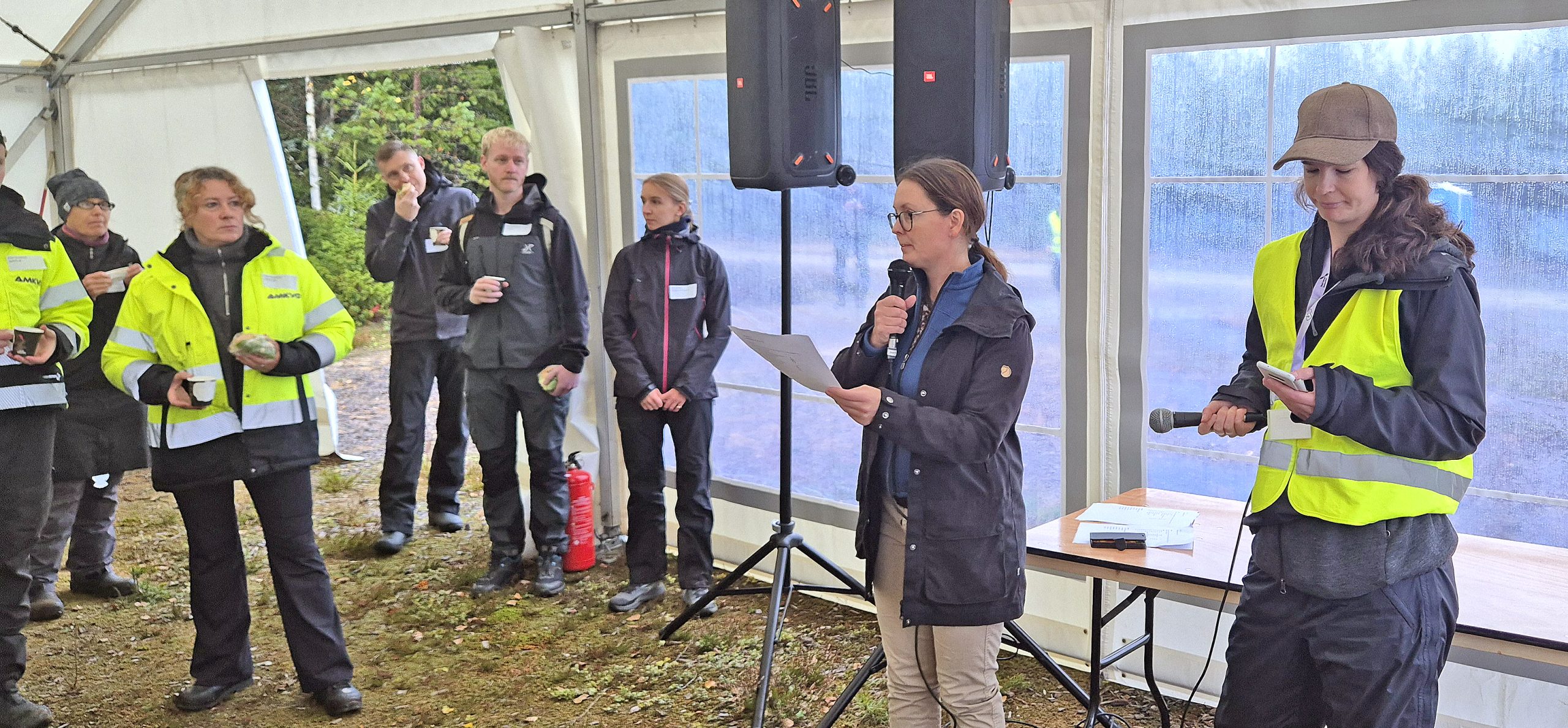
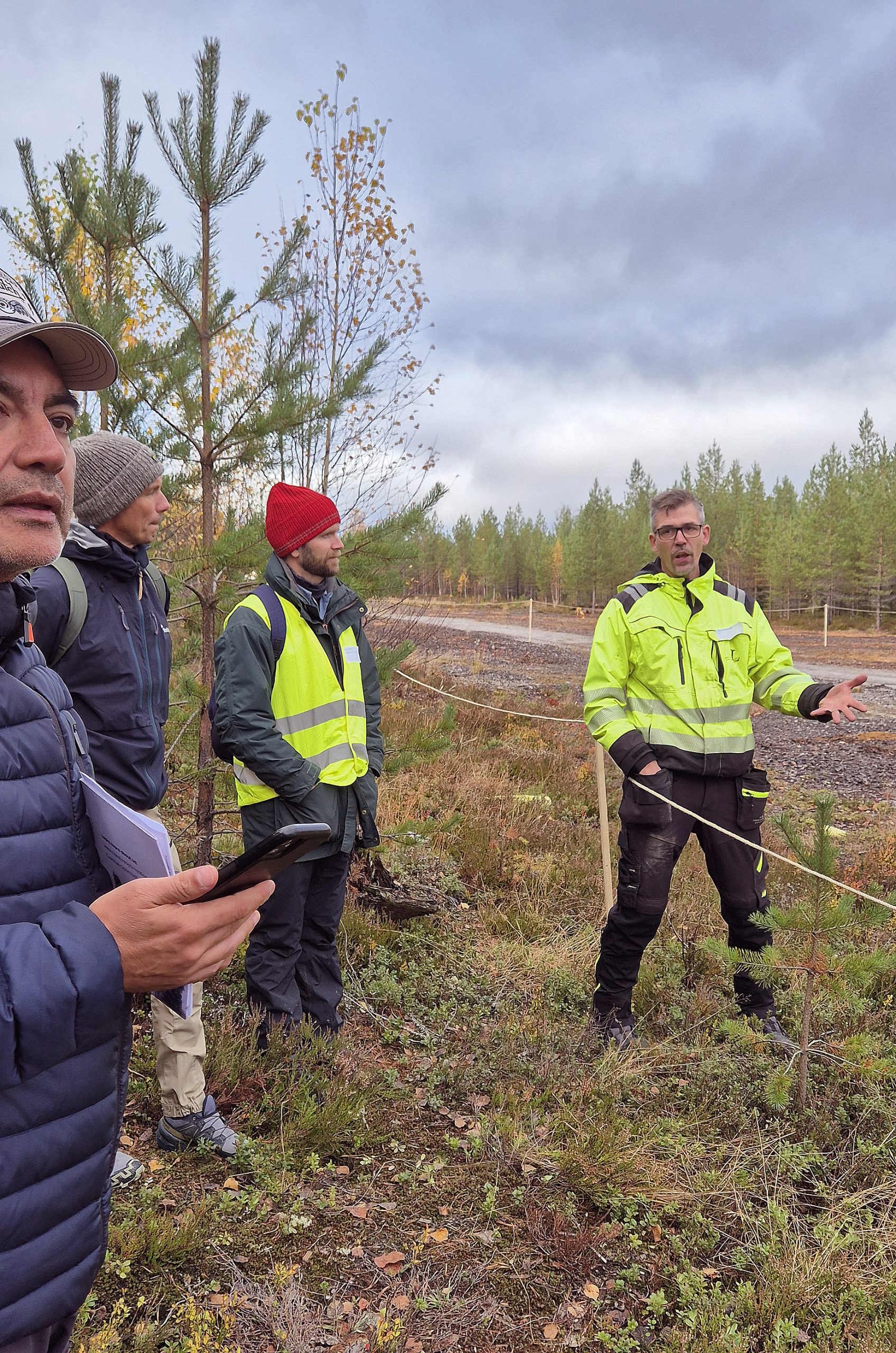
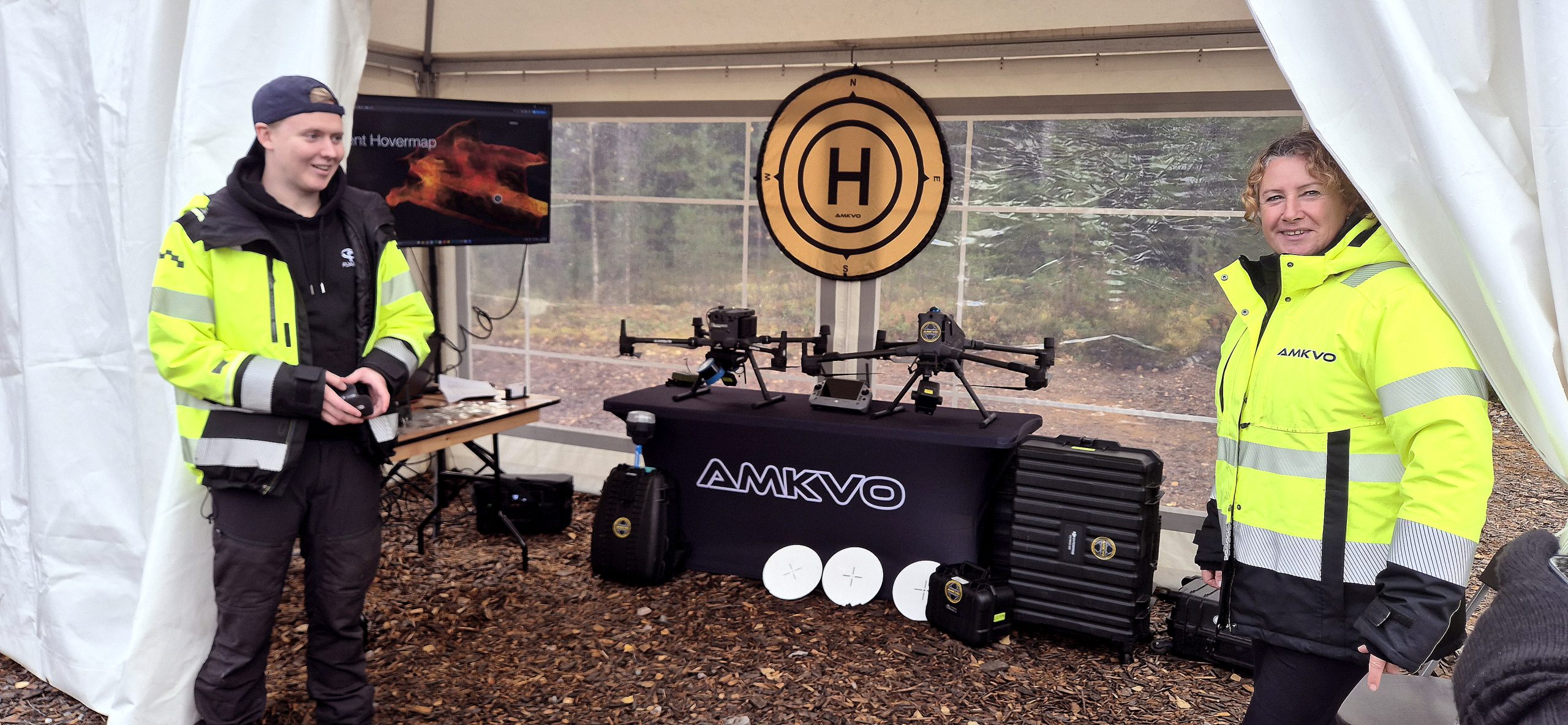
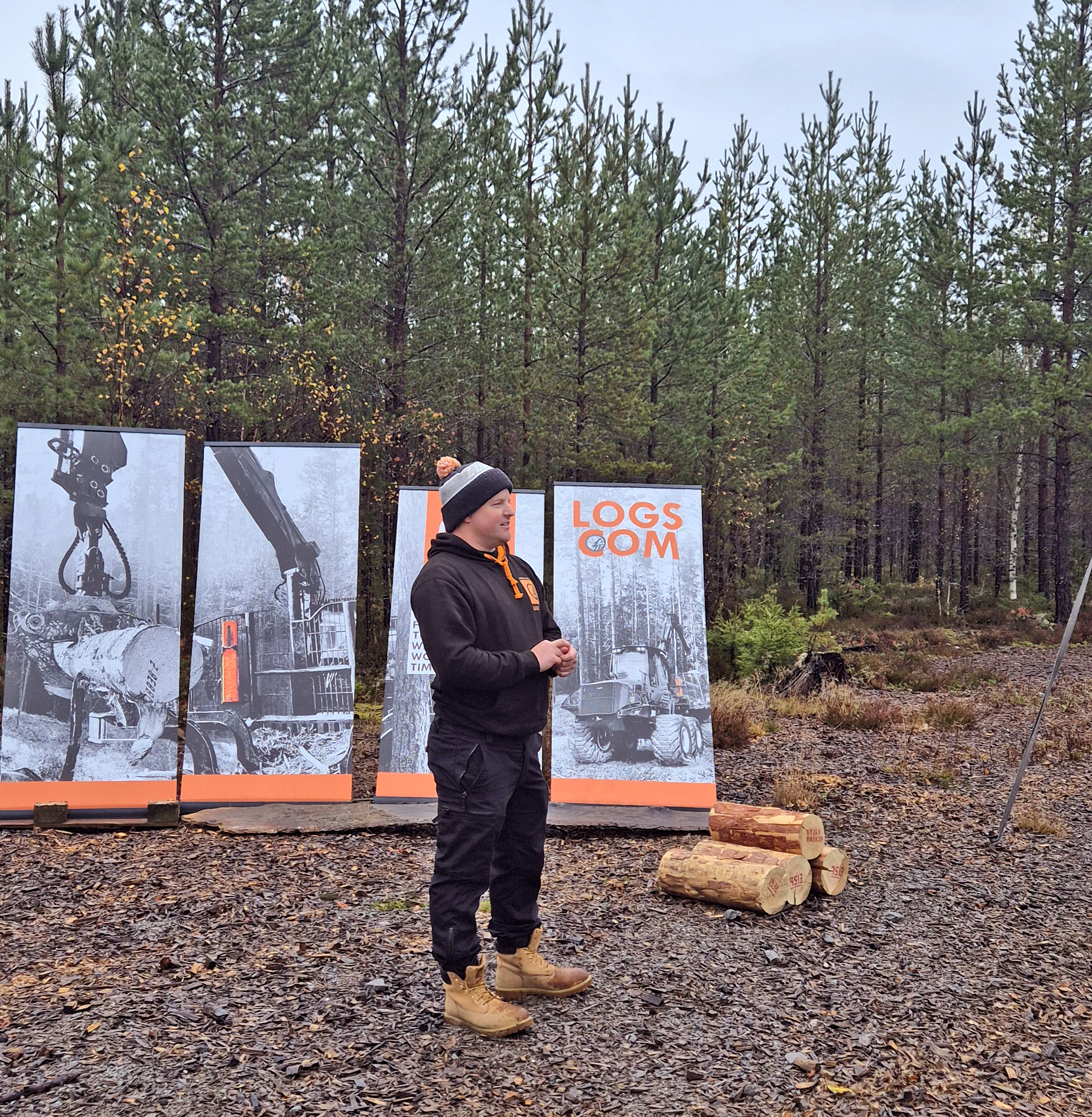
The third event in the Nordic Testbed Network (NTN) 2026 Roadshow took place in Saarijärvi, Finland, on 15–16 September, bringing together testbed representatives, researchers, technology developers and agricultural stakeholders to explore how innovation can be tested and developed in real-world environments.
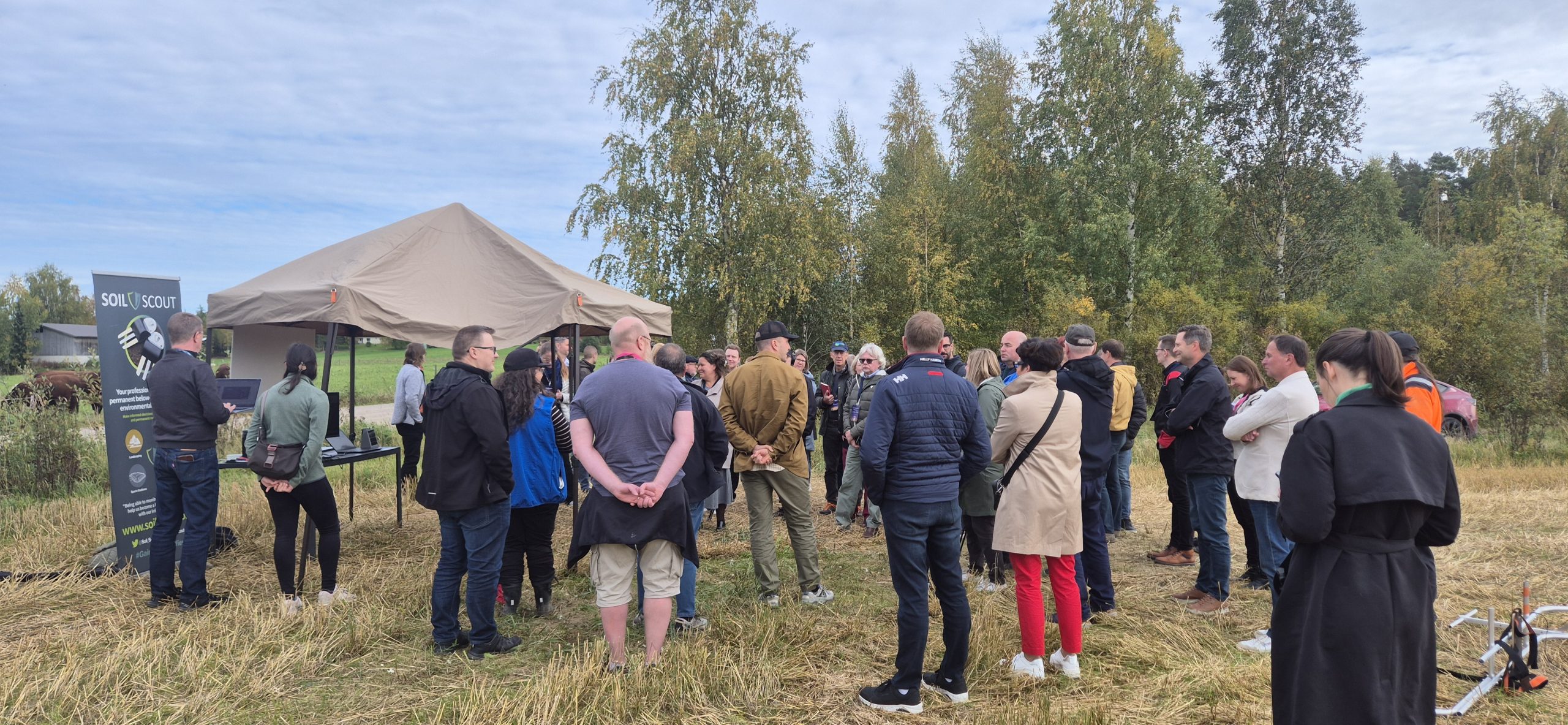
Hosted as part of the BioBoosters Demo Days, the two-day event offered participants a hands-on look at the Tarvaala Bioeconomy Campus and its Smart Bioeconomy Testbed, followed by a visit to HRV Farm. The programme combined presentations and networking with live demonstrations and discussions about the practical needs of farmers and the role of technology in the future of agriculture.
Exploring innovation at the Tarvaala Bioeconomy Campus
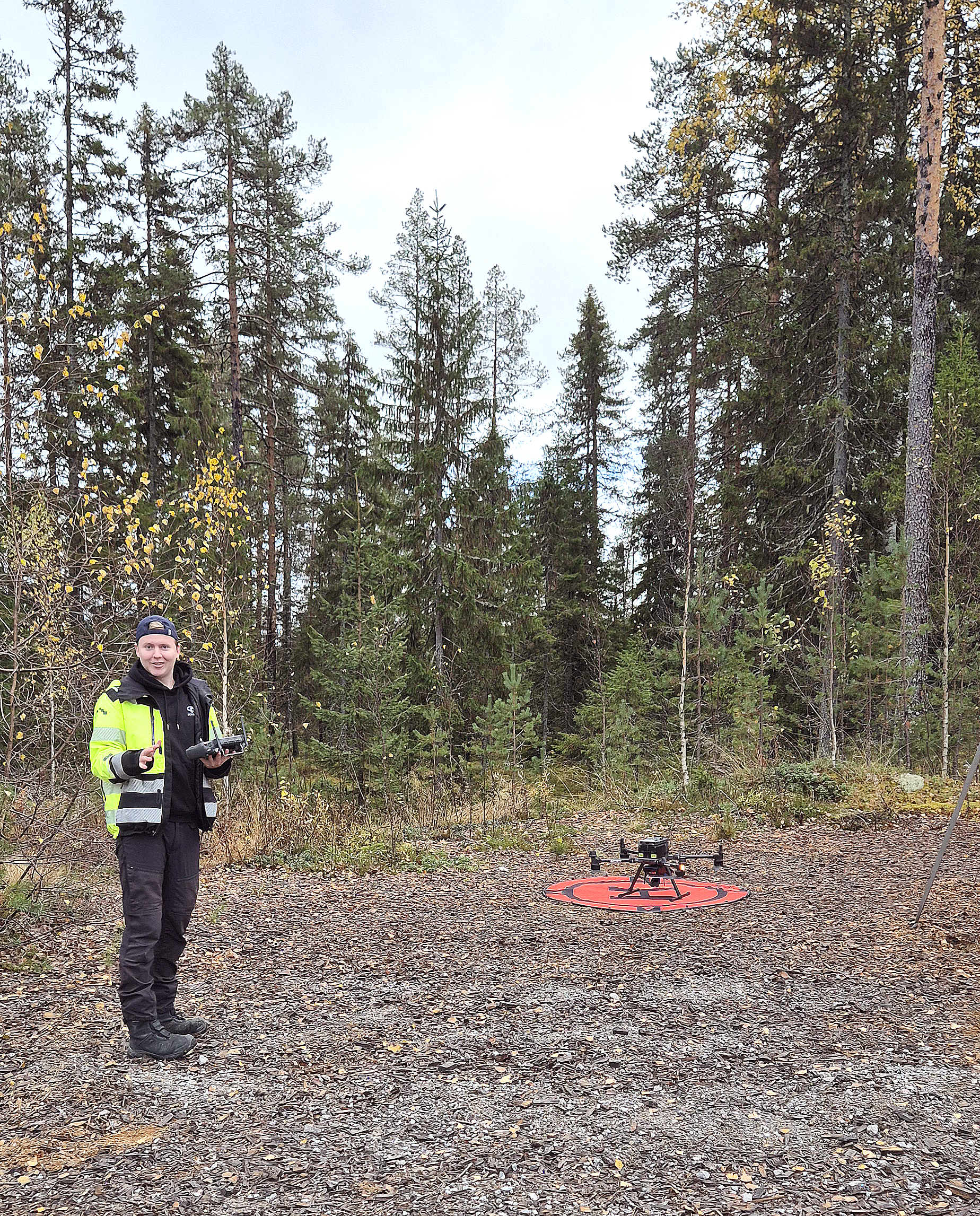
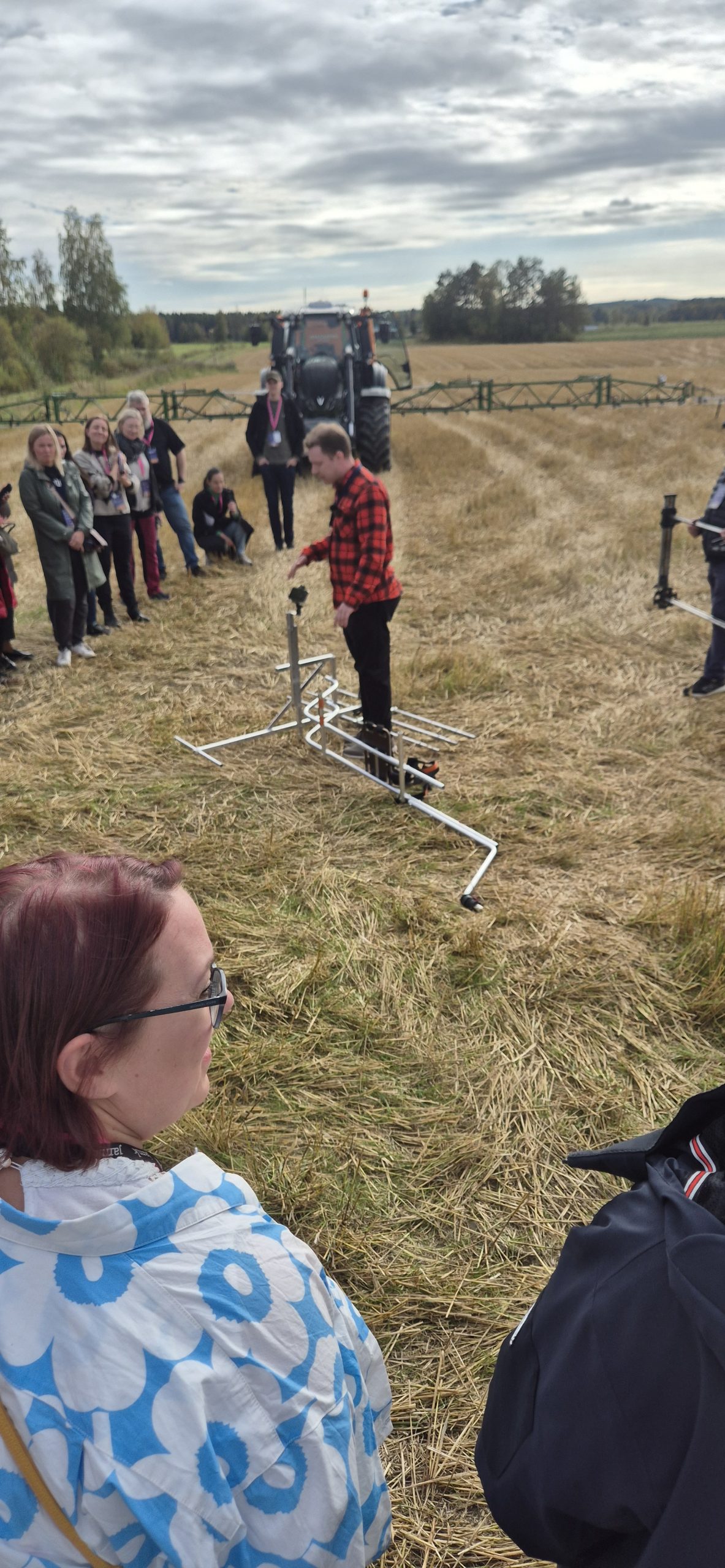 The first day focused on innovation, insights and live demonstrations at the Tarvaala Bioeconomy Campus – a centre for smart bioeconomy and energy technology in Central Finland.
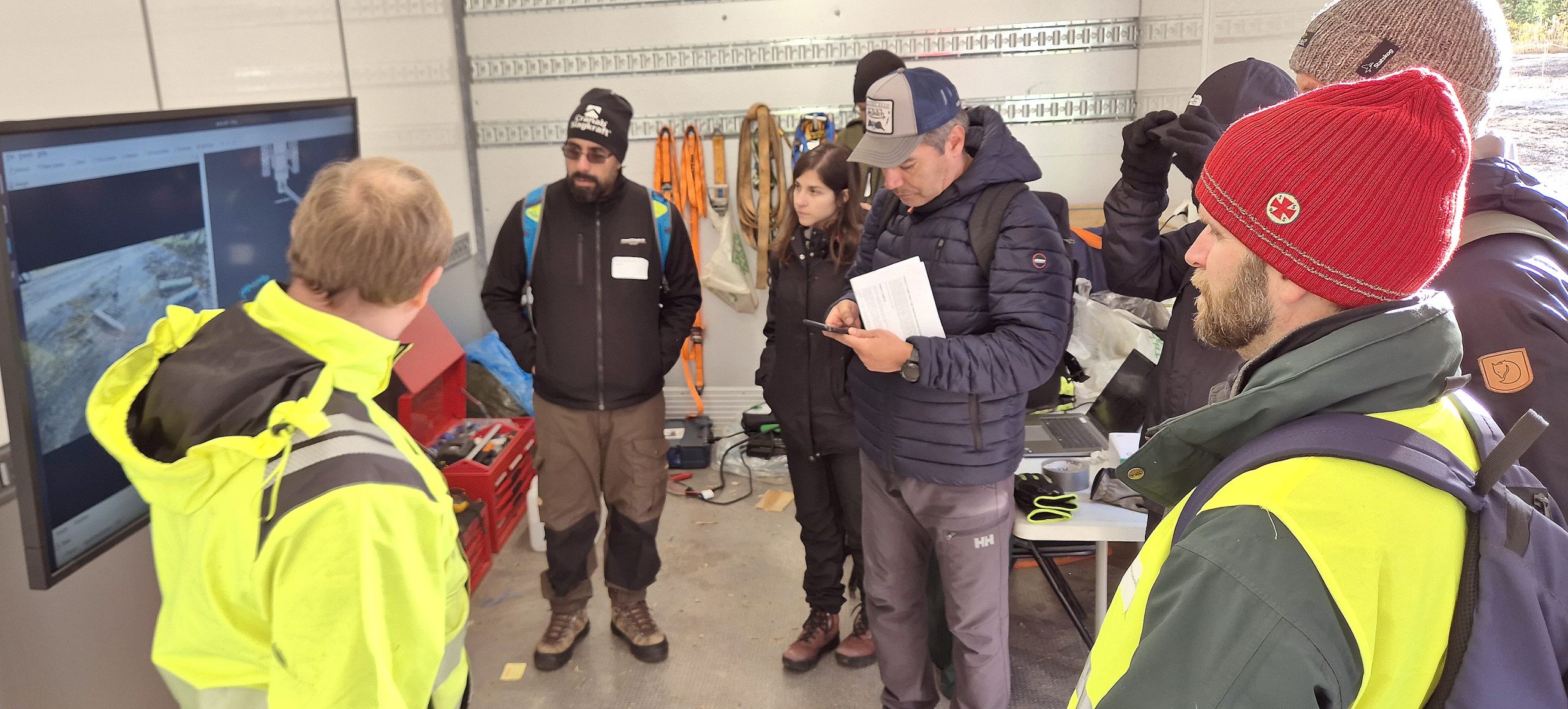
Following an opening keynote on the need to accelerate agricultural innovation, participants explored a series of technology and field demonstrations. One of the demonstrations, presented by Valtra and Delta Cygni Labs, showed how remote diagnostics can support agricultural machinery operating in challenging and low-connectivity environments. The solution combines tractor connectivity with remote service capabilities, while also opening up possibilities for telematics, fuel optimisation, automation and the integration of machinery data into testbed environments.
Bringing innovation closer to the farm
On the second day, the focus shifted from the testbed environment to the farm, with a visit to HRV Farm, a modern dairy farm and collaboration partner of Jamk.
With around 600 cows and a 50-stall milking carousel, HRV Farm provides opportunities for testing and demonstrating agricultural technologies in a real farming environment. Participants were given a guided tour of the farm and explored concrete examples of collaboration between farmers, technology providers and researchers.
The programme also included a farmer perspective on data-driven agriculture. Tero Lahti from the Central Union of Agricultural Producers and Forest Owners (MTK) shared experiences of how data and digital tools are already being used in agricultural decision-making, including applications in livestock breeding. The discussion highlighted the importance of understanding farmers’ needs, building trust in technology and demonstrating practical value on the farm.
Connecting Nordic and Baltic testbeds
The BioBoosters Demo Days provided a valuable setting for the NTN Roadshow to connect different parts of the innovation ecosystem – from research and technology development to testbeds and farmers.
For the Nordic Testbed Network, the visit to Finland was another opportunity to strengthen connections between testbeds across the Nordic and Baltic region and to exchange experiences of how real-world testing can support the development and adoption of new solutions in agriculture and the bioeconomy.
The NTN Roadshow continues to highlight the diversity of testbed environments across the region – and the value of bringing people together to share experiences, demonstrate solutions and explore opportunities for future collaboration.
The third Roadshow event was organised as part of BioBoosters Demo Days by Jamk’s BioBoosters Business Accelerator and Finnish Future Farm project, with the event also forming part of the Nordic Testbed Network 2026 Roadshow. Jamk’s Smart Bioeconomy Testbed has been a member of NTN since 2022.